

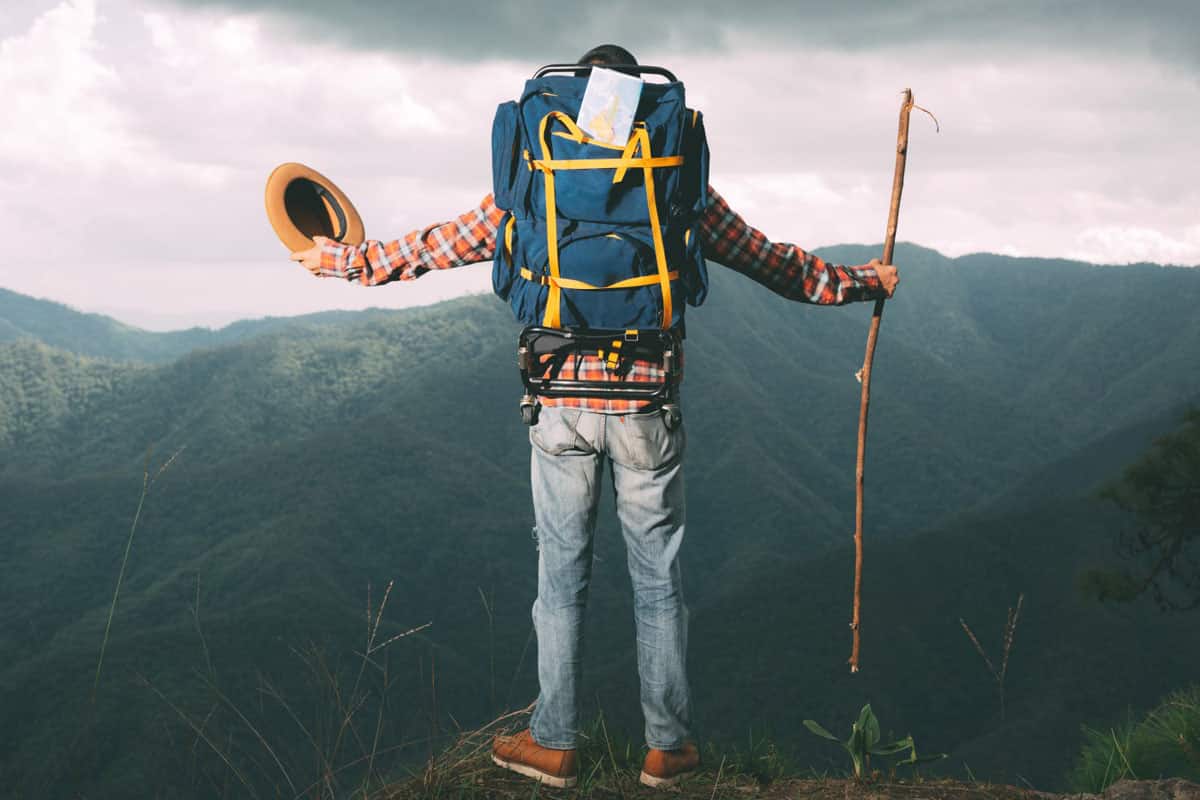
The Everest Base Camp (EBC) Trek is one of the most iconic and exhilarating trekking experiences in the world. It offers adventurers a chance to walk in the footsteps of legendary climbers, marvel at breathtaking Himalayan landscapes, and immerse themselves in the rich culture of the Sherpa people. This guide explores the history, routes, preparation, challenges, and unique experiences that make the trek an unforgettable journey.
A Brief History of Everest Base Camp
Mount Everest, standing tall at 8,848.86 meters (29,031.7 feet), is the highest mountain in the world. Sir Edmund Hillary and Tenzing Norgay made history in 1953 by becoming the first climbers to reach the summit. Since then, Everest Base Camp has been the starting point for countless expeditions, drawing trekkers and mountaineers from around the globe.
Trekking Route Overvie
The most popular route to Everest Base Camp starts from Lukla, a small town accessible by flight from Kathmandu. The trek typically takes 12–14 days, covering approximately 130 km (80 miles) round-trip. Key stops along the way include:
Lukla (2,860m) – The gateway to the trek, known for its thrilling high-altitude airport.
Phakding (2,610m) – A scenic village nestled along the Dudh Koshi River.
Namche Bazaar (3,440m) – The bustling trade hub of the Khumbu region, ideal for acclimatization.
Tengboche (3,860m) – Home to Tengboche Monastery, offering stunning views of Everest.
Dingboche (4,410m) – A high-altitude village surrounded by dramatic peaks.
Lobuche (4,940m) – A key stop before reaching base camp.
Gorakshep (5,164m) – The last settlement before reaching EBC.
Everest Base Camp (5,364m) – The iconic destination with breathtaking views of Everest’s summit.
Trekkers often ascend Kala Patthar (5,545m) for panoramic views of Everest, as the summit itself is not visible from base camp.
Physical Preparation & Training
The trek is challenging but achievable with the right preparation. Recommended training includes:
Cardiovascular workouts – (hiking, running, cycling)
Strength training for endurance
Acclimatization hikes at higher altitudes
Mental preparation for long treks and unpredictable conditions
Challenges of the Trek
Despite being non-technical, the Everest Base Camp Trek poses several challenges:
Altitude sickness – Oxygen levels decrease as trekkers ascend, making acclimatization crucial.
Weather conditions – Temperatures range from -10°C to -20°C in higher elevations, with unpredictable snowfall.
Physical endurance – The trek requires walking for hours daily on rugged trails.
Flight cancellations – Lukla flights are frequently delayed due to poor visibility.
Proper acclimatization, hydration, and pacing can help trekkers manage these challenges effectively.
Experiencing Sherpa Culture & Local Life
One of the highlights of the trek is the opportunity to connect with the Sherpa community. Known for their resilience and mountaineering expertise, Sherpas warmly welcome trekkers to their villages, offering insights into their traditions, religious practices, and history.
Trekkers can visit Tengboche Monastery, interact with local artisans, and savor traditional dishes like dal bhat (lentils and rice), momos (dumplings), and yak butter tea.
Best Time to Trek Everest Base Camp
The ideal trekking seasons are:
Spring (March–May) – Moderate temperatures, clear skies, and vibrant rhododendron blooms.
Autumn (September–November) – Cool, stable weather with excellent visibility.
Winter and monsoon seasons pose increased risks due to extreme cold and heavy rainfall, making them less favorable for trekking.
Packing Essentials
A well-equipped trekking pack ensures a safe and comfortable journey. Key items include:
Layered clothing for variable weather conditions
Sturdy trekking boots with ankle support
Sleeping bag (rated for -10°C to -20°C)
Trekking poles for stability
Sunscreen & sunglasses for UV protection
Water purification tablets for safe drinking water
First-aid kit with altitude sickness medication
Final Thoughts
The Everest Base Camp Trek is more than just a trek, it’s a profound adventure that challenges the body, expands the mind, and fosters a deep appreciation for nature and culture. Whether you seek personal achievement, breathtaking landscapes, or cultural immersion, EBC offers a truly life-changing experience.
Note: To trek to Everest Base Camp, you’ll need a few permits, and the costs can vary depending on the route and duration of your trek.
Required Permits
1. Sagarmatha National Park Entry Permit – This is mandatory for all trekkers entering the Everest region.
2. Khumbu Pasang Lhamu Rural Municipality Permit – Introduced by local authorities, this replaces the TIMS (Trekkers’ Information Management System) card.
3. Gaurishankar Conservation Area Permit – Required only if trekking via Jiri.
Permit Costs
Sagarmatha National Park Permit: NPR 3,000 (~$23 USD) for foreign trekkers.
Khumbu Pasang Lhamu Rural Municipality Permit: NPR 2,000 (~$15 USD) for the first four weeks; NPR 2,500 (~$19 USD) for longer stays.
Gaurishankar Conservation Area Permit: NPR 3,000 (~$23 USD) if applicable.
These fees are payable in Nepalese currency, so it’s best to carry enough cash.
Additional Costs
The total cost of the Everest Base Camp trek depends on factors like accommodation, food, guides, and transportation. A budget trek can cost around $750, while guided tours can range from $1,500 to $3,000.

Sed lacinia, urna non tincidunt mattis, tortor neque adipiscing diam, a cursus ipsum ante quis turpis. Nulla facilisi. Ut fringilla. Suspendisse potenti. Nunc feugiat mi a tellus consequat imperdiet. Vestibulum sapien. Proin quam. Etiam ultrices.
Quisque volutpat condimentum velit. Class aptent taciti sociosqu ad litora torquent per conubia nostra, per inceptos himenaeos. Nam nec ante.
Murabitur sit amet mauris. Morbi in dui quis est pulvinar ullamcorper. Nulla facilisi. Integer lacinia sollicitudin massa. Cras metus.